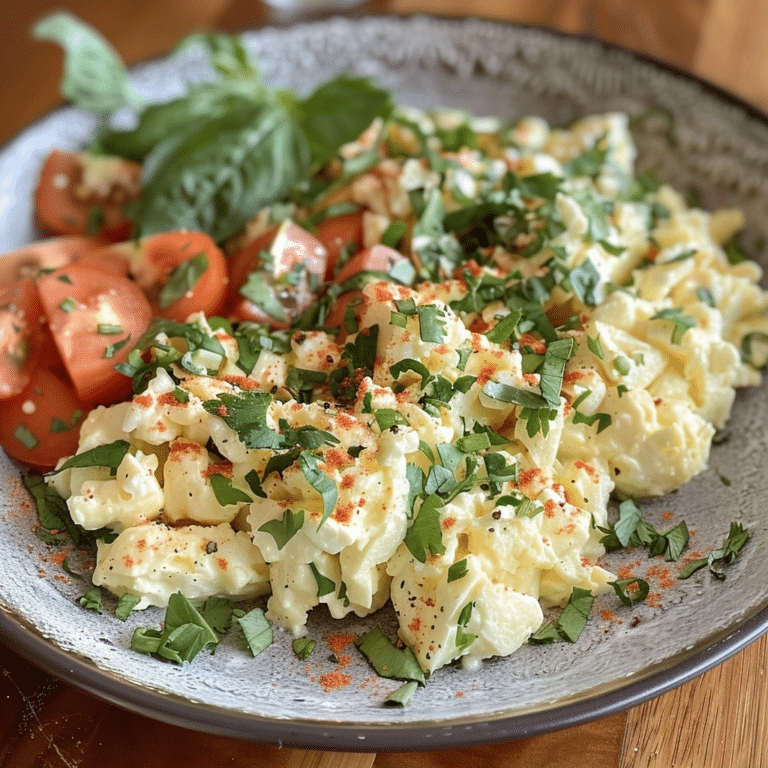

Cottage cheese scramble is a culinary secret that transforms ordinary morning eggs into a high-protein, incredibly creamy meal. By whisking fresh cottage cheese directly into your eggs, you create a velvety texture that remains moist and fluffy long after leaving the skillet. This dish appeals to busy professionals needing sustained energy and families looking for a nutritious way to start the day. Because it comes together in under ten minutes, this recipe is ideal for hectic weekday mornings when you crave something substantial yet simple.
At a Glance
| Category | Details |
|---|---|
| Prep Time | 5 minutes |
| Cook Time | 5 minutes |
| Total Time | 10 minutes |
| Servings | 2 |
| Skill Level | Easy |
| Cuisine | Modern American |
| Course | Breakfast |
What Makes This Recipe Stand Out
The flavor profile of this scramble relies on the mild tang of cottage cheese, which perfectly complements the savoriness of fresh eggs. It tastes like a classic diner-style dish but with an added layer of richness that eliminates the need for heavy cream or excessive butter.
Texturally, this version is superior because the curds within the cottage cheese provide hidden pockets of moisture. This ensures the eggs do not dry out, even if they stay on the heat for a few seconds too long. It is a foolproof technique for anyone who struggles with rubbery scrambled eggs.
This method works because the proteins in the dairy stabilize the egg structure, creating a luxurious consistency. Whether you are prepping for a workout or recovering from one, the dense protein content makes this an exceptional choice for muscle maintenance and satiety.
Ingredient Guide
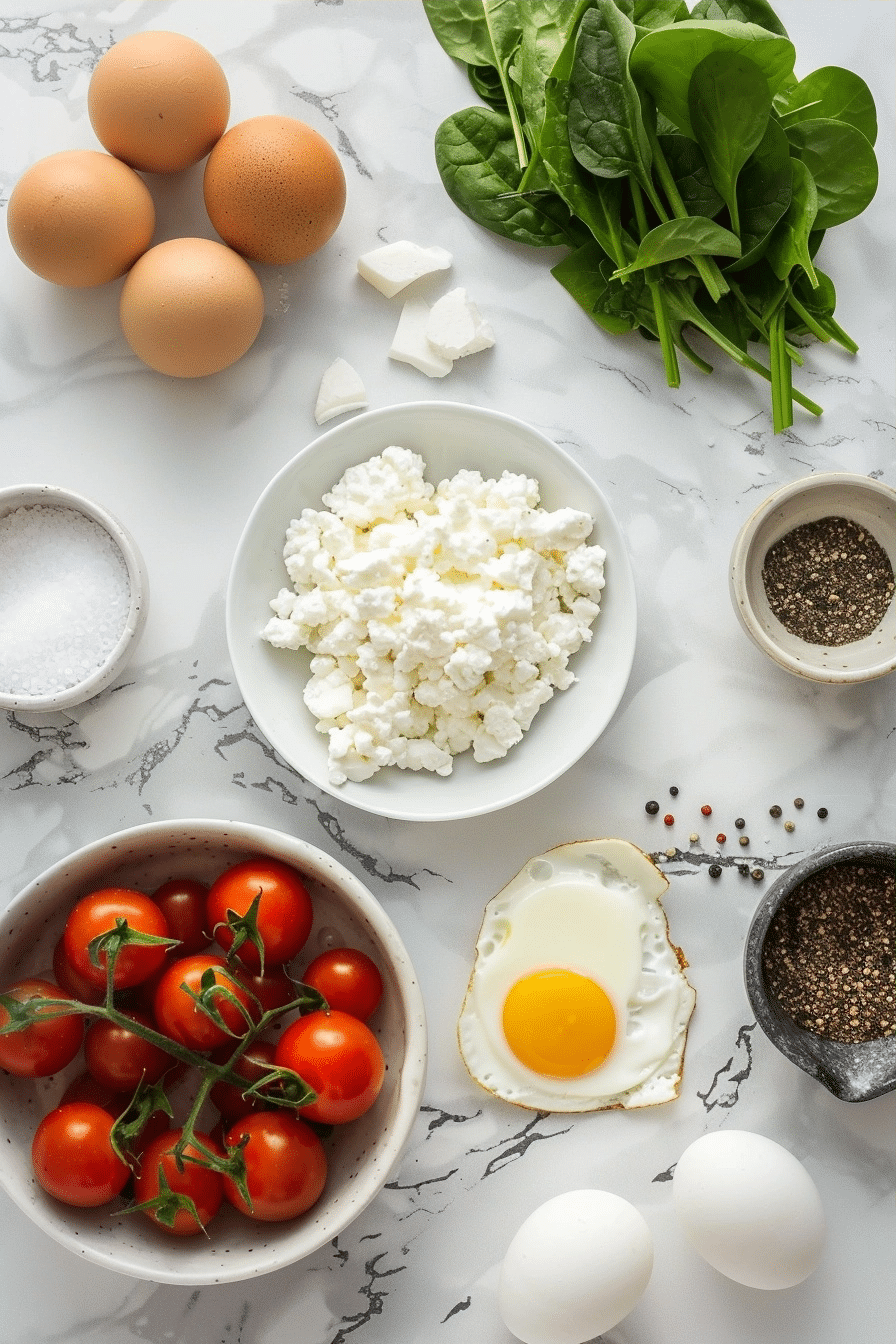
Using quality ingredients changes the outcome of this dish. Opt for full-fat or 2% cottage cheese for the best mouthfeel, as fat provides essential flavor.
- Eggs: Large pasture-raised eggs provide the best structure and color.
- Cottage Cheese: Acts as the secret ingredient for silkiness. Use full-fat for a richer result.
- Spinach: Fresh baby spinach adds vitamins and color. It wilts quickly, so add it at the final stage.
- Tomatoes: Grape or cherry tomatoes offer a sweet, acidic contrast.
- Parsley: Fresh herbs provide a bright finish and earthy aromatics.
- Salt and Pepper: Essential for lifting the flavor of the dairy and eggs.
| Ingredient | Role | Substitution |
|---|---|---|
| Eggs | Base protein | Liquid egg whites |
| Cottage Cheese | Texture agent | Ricotta cheese |
| Spinach | Nutrient density | Kale |
| Tomatoes | Acid/Sweetness | Roasted red peppers |
Before You Start
Success starts with your equipment. A high-quality non-stick skillet is invaluable here as it prevents the eggs from sticking without requiring excess oil. Have a heat-resistant rubber spatula ready for folding the eggs gently. Since this dish cooks rapidly, gather all your ingredients, wash the produce, and chop your tomatoes and parsley before turning on the heat. This process, known as mise en place, is essential for maintaining control during the short cooking window.
Cooking Instructions
Preparing the Base
- Whisk four large eggs with half a cup of cottage cheese in a medium bowl until blended but not fully homogeneous. Leave some tiny curds visible.
- Whisk in a pinch of salt and cracked pepper to taste.
The Scramble
- Heat a non-stick skillet over medium-low heat and add a teaspoon of olive oil or butter.
- Pour in your egg mixture. Allow the bottom to set for thirty seconds, then gently push the eggs toward the center with your spatula.
- Add the spinach and cherry tomatoes immediately as the eggs begin to firm up.
- Fold the mixture continuously until the eggs are cooked to your desired level of firmness. Remove from heat immediately, as carry-over heat will finish the process.
Chef’s Secrets
- Never cook over high heat, as too much heat will force the cottage cheese to separate.
- Keep the cottage cheese cold before adding it to the eggs for better emulsion control.
- Use small-curd cottage cheese if you prefer a smoother, more uniform texture.
- Always season your eggs in the bowl before pouring them into the pan rather than seasoning during cooking.
- Fold the spinach in at the very end to keep it bright green rather than brownish.
- If the scramble looks a bit dry, a tiny splash of water or milk can revitalize the fluffiness.
Easy Variations
| Variation | What Changes | Result |
|---|---|---|
| Spicy | Add red pepper flakes | Adds warmth |
| Lighter | Use egg whites | Lower calorie |
| Meal-prep | Omit fresh tomatoes | Reheats better |
| Vegetarian | Add mushrooms | Heartier texture |
Serving Suggestions
Serve this scramble alongside toasted sourdough bread or a side of avocado slices. It pairs well with a freshly squeezed citrus juice or a cup of black coffee. If serving for a weekend brunch, try adding a side of roasted potatoes or a light arugula salad with lemon vinaigrette to balance the richness of the protein.
Storage & Meal Prep
| Status | Guidelines |
|---|---|
| Refrigerator | Store in an airtight container for up to 2 days. |
| Freezing | Not recommended due to texture change. |
| Reheating | Warm gently in a pan over low heat; do not microwave on high. |
Nutrition Snapshot
Each serving contains approximately 280 calories, 22g of protein, 16g of fat, and 6g of carbohydrates. Note that values are estimates and depend on the brand of cottage cheese used.
Frequently Asked Questions
Can I make this ahead of time?
You can mix the eggs and cottage cheese the night before, but it is best to cook the eggs fresh in the morning. Reheated eggs often lose their ideal texture, becoming slightly rubbery or watery. If you must prep ahead, keep the raw mix in the fridge and cook it in under five minutes when ready to eat.
Why did my cottage cheese separate?
Separation usually happens when the pan is too hot or the cooking time is too long. To fix this, always cook on low or medium-low heat. Gentle heat ensures the dairy stays emulsified with the egg proteins. If you notice fluid pooling in the pan, turn the heat down and remove the eggs from the surface slightly to slow the cooking process.
What is the best type of cottage cheese?
Small-curd or large-curd variants both work, but small-curd tends to integrate more seamlessly into the egg mixture. Most professional chefs prefer 4% fat cottage cheese because the fat content protects the eggs from overcooking and improves the overall flavor. If you are watching your intake, 2% is a reliable middle ground that still offers creaminess.
Can I add other vegetables?
Absolutely. You can add bell peppers, onions, or zucchini. Just remember to sauté vegetables that have a high water content first, as the liquid they release can drown your scramble. If you plan to add mushrooms or onions, sauté them in the pan before pouring in the egg and cottage cheese mixture to ensure they are fully cooked and flavorful.
Does this recipe work with plant-based eggs?
The texture of plant-based eggs varies from traditional eggs. While they will work, they may not emulsify as well with cottage cheese. If you use a plant-based substitute, reduce the amount of cottage cheese by half to ensure the scramble sets properly. Always check the packaging of your plant-based egg product for salt content, as it may already be seasoned.
How do I fix a rubbery texture?
Rubbery eggs are a sign of overcooking. To prevent this, pull the pan off the heat while the eggs still look slightly wet. Do not let them sit in the hot pan after you have plated them, as they will continue to firm up. If the eggs already seem tough, a small tablespoon of Greek yogurt or extra fresh cottage cheese stirred in at the very end can help soften the texture.
Final Thoughts
The cottage cheese scramble is a reliable, nutrient-dense breakfast that bridges the gap between health-conscious snacking and comforting homemade meals. By adding simple pantry staples, you turn a basic protein source into something truly appetizing. The combination of fluffy eggs and creamy dairy provides a satisfying start to any morning, ensuring you have enough fuel for your day. We encourage you to try this method for your next breakfast and see how much better your morning routine can feel when you prioritize quality ingredients and simple, effective cooking techniques.
Print
Cottage Cheese Scramble: The Ultimate Protein Breakfast
- Total Time: 10
- Yield: 2 servings 1x
- Diet: Vegetarian
Description
Transform your morning routine with this high-protein cottage cheese scramble. By whisking cottage cheese into your eggs, you achieve a velvety, moist texture that stays fluffy until the last bite. This simple, nutritious meal comes together in under ten minutes, making it a perfect, energy-boosting start for busy professionals and families seeking a healthy, substantial breakfast.
Ingredients
4 large pasture-raised eggs
1/2 cup full-fat cottage cheese
1 cup fresh baby spinach
1/2 cup grape tomatoes, halved
1 tablespoon fresh parsley, chopped
1 tablespoon olive oil or butter
Salt and black pepper to taste
Instructions
Whisk the eggs and cottage cheese together in a medium bowl until well combined.
Heat oil or butter in a non-stick skillet over medium heat.
Pour in the egg and cottage cheese mixture.
Cook gently, stirring occasionally to create large, soft curds.
During the final minute of cooking, stir in the fresh baby spinach and halved grape tomatoes.
Remove from heat once the eggs are set but still creamy.
Season with salt and pepper, garnish with fresh parsley, and serve immediately.
Notes
Use full-fat cottage cheese for the best mouthfeel and richness. Do not overcook the eggs; removing them from the skillet while still slightly moist ensures the fluffiest texture. You can substitute fresh spinach with other greens like kale or arugula. This dish is naturally vegetarian and high in protein.
- Prep Time: 5
- Cook Time: 5
- Category: Breakfast
- Method: Stovetop
- Cuisine: Modern American
Nutrition
- Serving Size: 1 serving
- Calories: 285
- Sugar: 3g
- Sodium: 450mg
- Fat: 18g
- Saturated Fat: 6g
- Carbohydrates: 6g
- Fiber: 2g
- Protein: 26g
- Cholesterol: 375mg