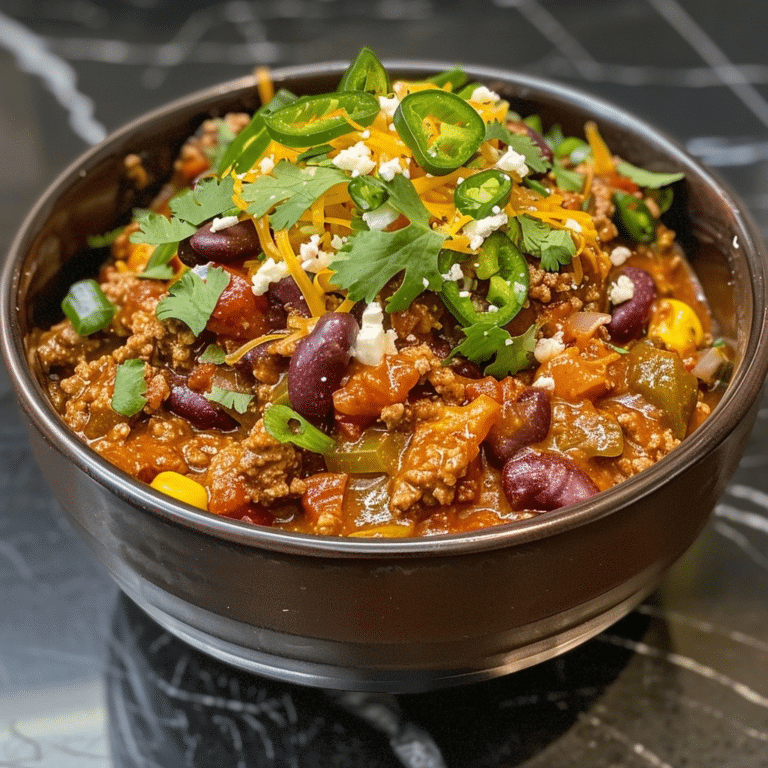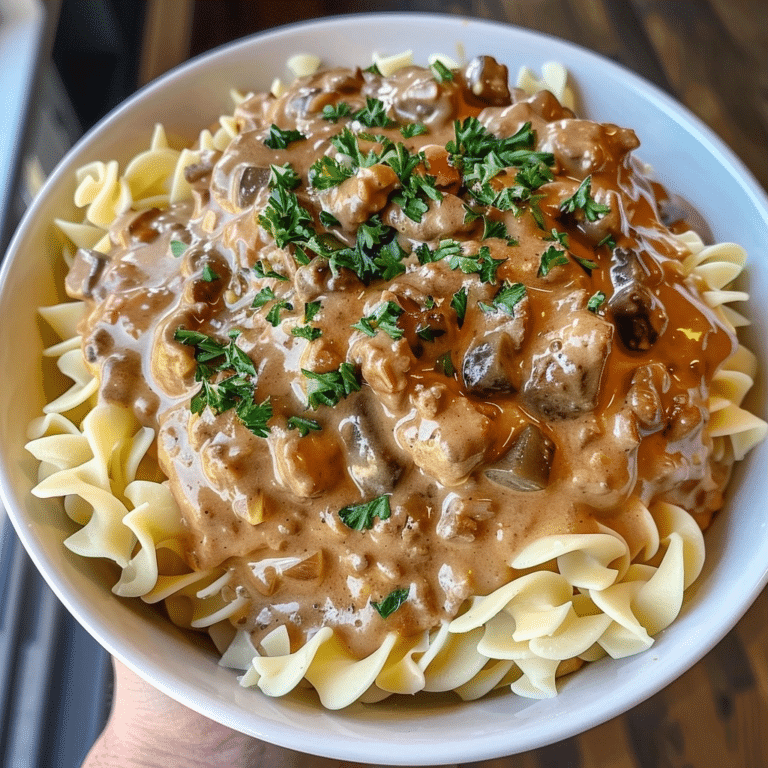

Cottage cheese mac cheese offers a modern twist on a timeless classic by blending creamy, nutrient-dense cottage cheese into a velvety sauce. This protein-packed meal provides the familiar indulgence of traditional macaroni and cheese while significantly boosting the nutritional profile of your dinner. It serves as an excellent option for families seeking wholesome alternatives to standard processed pasta dishes or for fitness enthusiasts who prioritize protein intake without sacrificing flavor. This preparation method transforms simple dairy into a luxurious, thick emulsion that clings beautifully to al dente noodles, making it a reliable staple for busy weeknights or casual gatherings.
At a Glance
| Metric | Details |
|---|---|
| Prep time | 10 minutes |
| Cook time | 15 minutes |
| Total time | 25 minutes |
| Servings | 4 servings |
| Skill level | Easy |
| Cuisine | Modern American |
| Course | Main Course |
What Makes This Recipe Stand Out
This version stands out because it leverages the natural protein content and tang of cottage cheese to create a sauce base that requires less heavy cream or butter than traditional roux-based recipes. By blending the cottage cheese until completely smooth, you achieve a thick, pourable consistency that mimics heavy cream while offering a much lighter feeling on the palate.
The combination of cottage cheese and sharp cheddar cheese creates a complex flavor profile that balances acidity with richness. The protein pasta acts as a sturdy vehicle for this sauce, ensuring the meal remains satisfying and hunger-suppressing for longer periods compared to refined white flour pasta.
Because you skip the long process of whisking a flour-based bechamel, this recipe minimizes the risk of lumpy sauces or burnt flour. The technique is foolproof for home cooks, relying on the high-speed blender to do the heavy lifting of emulsifying the dairy fats and proteins into a silky finish.
Ingredient Guide
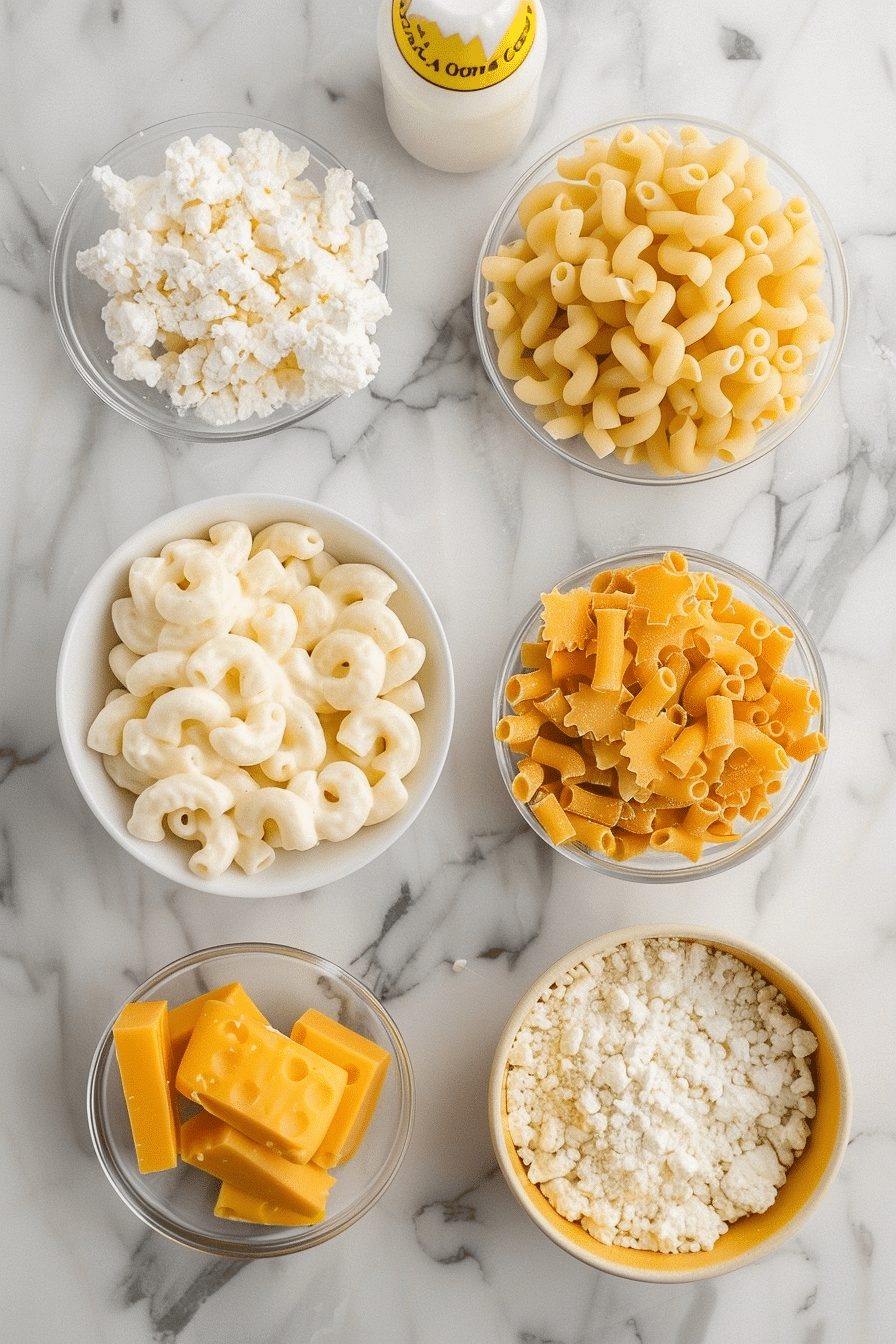
Selecting the right ingredients ensures the success of your sauce. Protein pasta provides the necessary structural integrity and nutritional boost. Choose a brand that uses lentil or chickpea flour if you prefer additional fiber. Cottage cheese should ideally be small-curd and full-fat for the creamiest results, as lower fat versions can occasionally result in a thinner texture. Sharp cheddar provides the backbone of the flavor; always grate it yourself to avoid the anti-caking agents found in pre-shredded varieties, which prevent smooth melting.
| Ingredient | Role | Tip |
|---|---|---|
| Protein Pasta | Base | Cook 1 minute less than package directions for al dente texture. |
| Cottage Cheese | Creamy Base | Full-fat version creates the best mouthfeel. |
| Sharp Cheddar | Flavor | Grate from a block for better melting properties. |
| Milk | Consistency | Use whole milk for extra richness. |
Before You Start
Gather your equipment: a high-speed blender, a large stockpot for pasta, and a medium saucepan for the sauce. Ensure your cottage cheese is at room temperature before blending to prevent the proteins from seizing. Have your cheese grated and ready in advance, as the assembly phase moves quickly once the pasta finishes cooking. Always reserve about half a cup of starchy pasta water; it is a secret weapon for adjusting the sauce consistency right before serving.
Cooking Instructions
Boiling the Pasta
- Bring a large pot of salted water to a rolling boil over high heat.
- Add your protein pasta and cook according to the package instructions, aiming for a firm bite.
- Before draining, reserve one cup of the starchy cooking water.
- Drain the pasta well and return it to the warm pot.
Preparing the Sauce
- In a high-speed blender, combine the cottage cheese, milk, and a pinch of salt.
- Blend on high until the mixture is perfectly smooth and no curds remain.
- Pour the mixture into a medium saucepan over medium-low heat.
- Gently fold in the shredded cheddar cheese, stirring constantly until melted.
- If the sauce appears too thick, add small splashes of the reserved pasta water until it reaches your desired thickness.
Assembly
- Pour the warm cheese sauce over the cooked pasta.
- Toss gently with a silicone spatula until every noodle is evenly coated.
- Serve immediately while the sauce is at its peak silkiness.
Chef’s Secrets
- Add a teaspoon of Dijon mustard to the blender to enhance the sharpness of the cheddar.
- Use a touch of smoked paprika to provide a depth of flavor that mimics aged cheese.
- Never let the sauce boil; high heat can cause the cottage cheese proteins to separate.
- If you have leftovers, add a tablespoon of milk when reheating to bring the sauce back to life.
- Always season the pasta water generously; it is the only chance to flavor the noodles themselves.
- Pulse the blender only until smooth; over-blending can occasionally cause the dairy to thin out too much.
Easy Variations
| Variation | What Changes | Result |
|---|---|---|
| Spicy | Add diced jalapeños or chili flakes | A zesty, heat-forward meal. |
| Vegetarian | Add blanched broccoli florets | Added texture and fiber. |
| Gluten-Free | Use chickpea-based pasta | Safe for gluten sensitivities. |
Serving Suggestions
Serve this dish alongside a bright, acidic side such as an arugula salad dressed with lemon vinaigrette to cut through the richness of the cheese. For a complete family dinner, pair it with roasted vegetables like asparagus or green beans. It works perfectly for quick weeknight meals or as a comforting dish during holiday gatherings when you want a protein-forward option that still feels indulgent.
Storage & Meal Prep
| Method | Instructions |
|---|---|
| Fridge | Store in an airtight container for up to 3 days. |
| Freezing | Not recommended, as dairy emulsions may break. |
| Reheating | Gently heat on the stovetop with a splash of milk. |
Nutrition Snapshot
Each serving provides approximately 450 calories, 28g of protein, 15g of fat, and 45g of carbohydrates. Note that these values are estimates based on standard ingredients and may vary depending on the specific brands of pasta and cheese utilized. For more healthy recipe inspiration, visit Nutrition.gov or explore tips on ChooseMyPlate.
Frequently Asked Questions
Can I prepare the sauce in advance?
Yes, you can blend the cottage cheese and milk base ahead of time and store it in the refrigerator for up to 24 hours. When you are ready to serve, simply heat the base in a saucepan and add the cheddar cheese just before tossing with the pasta. This is a massive time-saver for busy families.
What if my sauce is too thick?
The starch in the pasta water acts as a binder and a thinner. Gradually whisking in small amounts of reserved pasta water is the best way to manage the consistency. If you have already drained your pasta, a splash of warm milk will also work to loosen the sauce effectively.
Why does my sauce have small lumps?
Lumps usually occur if the cottage cheese was not blended thoroughly or if the heat was too high during the melting process. Ensure you blend the cottage cheese until it reaches a completely liquid, heavy-cream consistency. If using a standard blender, you may need to scrape down the sides twice.
Can I use different cheeses?
Absolutely. While sharp cheddar provides the classic profile, you can swap it for Gruyère for a nutty flavor or Monterey Jack for superior meltability. Avoid pre-shredded cheese at all costs as the starch coating prevents it from creating a smooth, emulsified sauce.
Is this recipe suitable for freezing?
Freezing this dish is generally not advised. Dairy-based sauces made with cottage cheese can undergo structural changes when frozen and thawed, often resulting in a grainy or watery texture upon reheating. It is best enjoyed fresh or stored in the refrigerator for a few days.
Do I need a special blender?
A standard countertop blender works perfectly fine for this recipe. If you own an immersion blender, you can also blend the sauce directly in the saucepan, though you must be very careful to blend until the mixture is completely smooth to avoid any cottage cheese curds remaining in the final dish.
Final Thoughts
Incorporating cottage cheese into your macaroni and cheese is a straightforward way to elevate your cooking with minimal effort. This recipe offers the comfort you crave while providing the fuel your body needs. By using high-quality cheese and protein-rich pasta, you transform a standard bowl of noodles into a balanced meal that everyone at your table will appreciate. Take the time to master this simple technique, and you will find it becoming a regular feature in your weekly rotation. Enjoy the process of creating this satisfying dish tonight.
Print
Cottage Cheese High-Protein Mac and Cheese
- Total Time: 25
- Yield: 4 servings 1x
- Diet: Vegetarian
Description
Transform your weeknight dinner with this modern, protein-packed take on the classic macaroni and cheese. By blending smooth cottage cheese with sharp cheddar, you create a velvety, rich sauce that is significantly higher in protein and lower in traditional fats. It is the perfect satisfying meal for busy families and fitness enthusiasts alike, delivering a luxurious comfort food experience without the need for a flour-based bechamel.
Ingredients
12 oz protein-based pasta (lentil or chickpea flour)
1.5 cups small-curd full-fat cottage cheese
1.5 cups sharp cheddar cheese, freshly shredded
1/2 teaspoon garlic powder
1/4 teaspoon smoked paprika
Salt and black pepper to taste
Optional: Fresh chives for garnish
Instructions
Bring a large pot of salted water to a boil.
Cook the protein pasta for 1 minute less than the package instructions to ensure it remains al dente.
While the pasta cooks, add the cottage cheese, garlic powder, and smoked paprika to a high-speed blender.
Blend the cottage cheese mixture until completely smooth and creamy.
Drain the pasta, reserving about 1/4 cup of the cooking water.
Return the pasta to the pot over low heat.
Pour the blended cottage cheese and the shredded cheddar into the pasta.
Stir continuously until the cheddar is melted and the sauce is creamy, adding the reserved pasta water if needed to adjust consistency.
Season with salt and pepper to taste and serve immediately with fresh chives if desired.
Notes
Always grate your own cheddar cheese from a block to ensure the smoothest melt, as pre-shredded cheese contains anti-caking agents that hinder texture. Full-fat cottage cheese is highly recommended for the best mouthfeel. Store leftovers in an airtight container for up to 3 days and reheat gently with a splash of milk or water to restore creaminess.
- Prep Time: 10
- Cook Time: 15
- Category: Cottage Cheese Recipes
- Method: Stovetop
- Cuisine: Modern American
Nutrition
- Serving Size: 1.5 cups
- Calories: 420
- Sugar: 4g
- Sodium: 580mg
- Fat: 14g
- Saturated Fat: 8g
- Carbohydrates: 48g
- Fiber: 6g
- Protein: 28g
- Cholesterol: 45mg