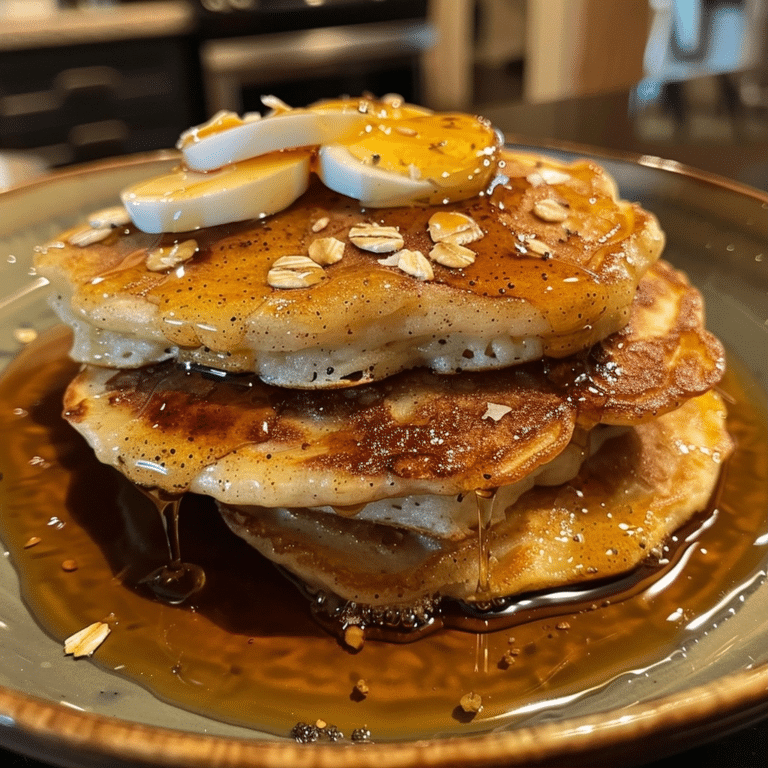

Cottage cheese protein pancakes offer a clever way to boost your morning nutrition without sacrificing the fluffy texture you crave. By blending high-protein cottage cheese with fiber-rich oats and eggs, these pancakes provide a sustained energy release that lasts well past breakfast. This recipe transforms humble pantry staples into a protein-packed meal that appeals to both fitness enthusiasts and families alike. Whether you are prepping for a strenuous morning workout or simply seeking a satiating start to a busy workday, these pancakes deliver reliable results in minutes.
At a Glance
| Category | Details |
|---|---|
| Prep Time | 5 minutes |
| Cook Time | 10 minutes |
| Total Time | 15 minutes |
| Servings | 2-3 servings |
| Skill Level | Easy |
| Cuisine | Modern American |
| Course | Breakfast |
What Makes This Recipe Stand Out
The defining characteristic of these pancakes lies in the cottage cheese, which provides a creamy, dense structure that holds its shape beautifully. Unlike traditional batters that rely heavily on refined flour, this version uses blended oats, creating a heartier crumb that feels substantial and satisfying.
We prioritize a balance of texture by using a blender to fully incorporate the ingredients. This creates a smooth batter that cooks through evenly. The subtle sweetness from vanilla and cinnamon lifts the slightly savory notes of the cheese, resulting in a complex flavor profile that pairs perfectly with fresh fruit or a drizzle of maple syrup.
Because this recipe utilizes whole-food protein sources, you avoid the chalky texture sometimes associated with protein powders. The method is consistent, ensuring that anyone can replicate these results with standard kitchen tools.
Ingredient Guide
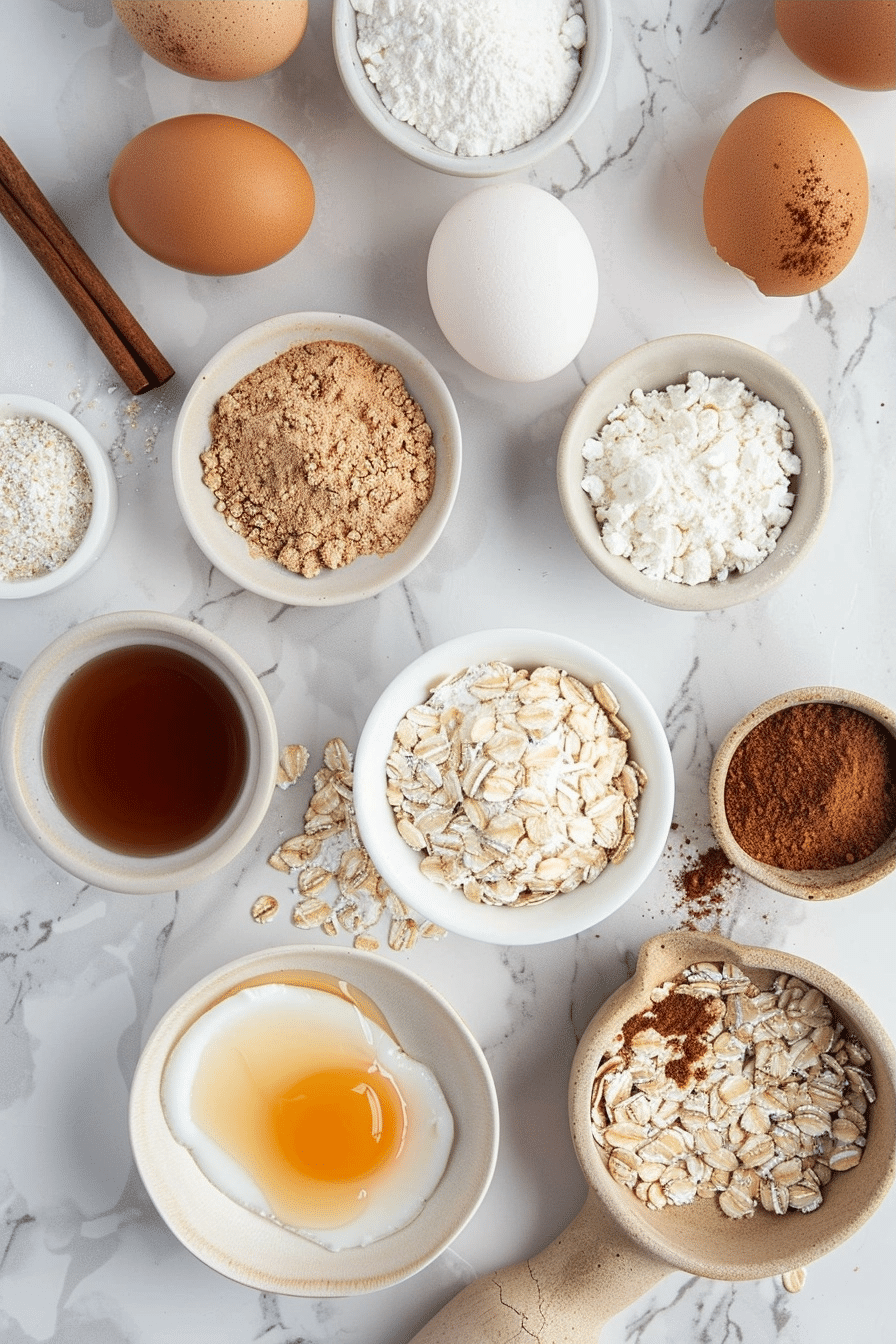
Selecting the right ingredients ensures a superior result. We recommend high-quality, small-curd cottage cheese for the smoothest batter. Rolled oats add necessary fiber, while fresh eggs act as the primary binder for the batter structure.
| Ingredient | Role | Tip |
|---|---|---|
| Cottage Cheese | Protein and moisture | Use full-fat for better texture |
| Eggs | Binder/Leavening | Room temperature helps emulsion |
| Rolled Oats | Structure | Gluten-free certified if needed |
| Baking Powder | Lift | Check for activity |
| Vanilla Extract | Flavor | Use pure extract |
| Cinnamon | Spice | Freshness matters |
| Maple Syrup | Sweetener | Use pure grade A |
| Salt | Flavor balance | Use fine sea salt |
Before You Start
Gather a high-speed blender, a non-stick skillet or griddle, and a reliable spatula. Ensure your eggs are at room temperature to allow for better blending with the dairy components. Before turning on the heat, prepare your mise en place by measuring all components, as the batter will thicken if left standing for too long at room temperature. If you prefer a thinner consistency, have a splash of milk or water nearby to adjust the batter density just before pouring.
Cooking Instructions
Phase 1: Preparing the Batter
- Place the rolled oats into the blender and process until a fine flour consistency is achieved.
- Add the cottage cheese, eggs, vanilla extract, cinnamon, salt, and baking powder to the blender.
- Blend until perfectly smooth and creamy, about 30-45 seconds. Avoid over-processing as this can introduce too much air, making the pancakes overly fragile.
Phase 2: Cooking the Cakes
- Preheat a non-stick skillet over medium-low heat. A lower heat setting is vital here to ensure the center cooks through before the exterior browns too quickly.
- Lightly grease the pan with a small amount of non-stick spray or coconut oil.
- Pour 1/4 cup of batter per pancake onto the skillet.
- Cook until bubbles form across the surface and the edges appear dry, roughly 3 minutes per side. Carefully flip and cook the remaining side until golden brown.
Chef’s Secrets
- Allow your batter to rest for five minutes before cooking to help the oats absorb moisture.
- Always cook on medium-low heat to prevent burning the milk solids in the cottage cheese.
- Use a thin spatula for easier flipping of these delicate pancakes.
- Incorporate fresh berries into the batter, but drop them in after pouring rather than blending them.
- Avoid over-mixing the batter; blend only until just combined.
- Test the heat of your pan with a tiny drop of water; it should dance and evaporate slowly.
Easy Variations
| Variation | Modification | Result |
|---|---|---|
| Berry Blast | Fold in fresh blueberries | Burst of acid and sweetness |
| Chocolate Chip | Add dark chocolate chips | Indulgent dessert-like breakfast |
| Gluten-Free | Use certified GF-oats | Safe for celiac diets |
| Savory | Omit syrup and vanilla | Pair with avocado and eggs |
Serving Suggestions
Serve these pancakes alongside fresh citrus wedges to cut through the richness of the cottage cheese. A dollop of Greek yogurt or a handful of toasted walnuts provides a nice textural contrast. For a festive brunch, they pair exceptionally well with warm peach compote or a simple berry reduction. If you are serving these for a quick weeknight meal, top them with savory items like sautéed spinach or a sprinkle of toasted sunflower seeds.
Storage & Meal Prep
| Method | Instructions |
|---|---|
| Fridge | Store in an airtight container for 3 days |
| Freezer | Freeze between parchment paper for 1 month |
| Reheating | Warm in a toaster or low-heat oven |
Nutrition Snapshot
Each serving of these pancakes contains approximately 280 calories, 22g of protein, 8g of fat, and 30g of carbohydrates. Note that values are estimates and depend on the specific brands of cottage cheese and oats used.
Frequently Asked Questions
Can I make the batter ahead of time?
It is best to cook the batter immediately after blending. Because the oats continue to absorb liquid and the baking powder begins acting once mixed with moisture, letting the batter sit for too long will result in a gummy texture. If you must prep ahead, mix the dry ingredients, but hold off on adding the wet ingredients until you are ready to heat the pan for optimal results.
What if my pancakes are too soft?
Softness usually indicates that the heat was too high during cooking or you used too much liquid. Ensure your pan stays at a consistent medium-low heat. You can also try adding an extra tablespoon of rolled oats to the blender if the batter seems excessively thin. Always wait for bubbles to form on the top before flipping; this structural integrity is key to a clean turn.
Can I substitute other grains for the oats?
While rolled oats provide the best binding and fiber content, you can experiment with almond flour for a denser, nuttier pancake or buckwheat flour for an earthier flavor. Keep in mind that these substitutions will alter the protein count and the overall texture. If you switch flours, you may need to adjust the amount of liquid used to ensure the batter flows correctly from your measuring cup.
Why did my pancakes burn on the outside?
The high protein and sugar content in the dairy makes these pancakes more susceptible to browning quickly compared to standard flour-based versions. Keeping your heat low and steady is the most important factor. Using a heavy-bottomed cast-iron skillet or a high-quality non-stick pan helps distribute heat more evenly throughout the cooking process, preventing hot spots that lead to uneven browning of your breakfast.
Can I use low-fat cottage cheese?
You can use low-fat or fat-free versions, but be aware that full-fat cottage cheese offers a more stable structure and a richer flavor. If you choose a lower-fat variety, the pancakes might feel slightly thinner or less creamy. If you find the texture lacking, add a teaspoon of neutral oil or melted butter to the blender to compensate for the missing fats and keep the overall mouthfeel pleasant.
How do I know when to flip?
Wait for small bubbles to appear on the surface of the pancake and stay open. The edges should look matte and set. If you try to flip too early, the center will be too liquid, leading to a mess in the pan. A quick visual check of the underside after lifting slightly with a thin spatula is a good practice; it should be a light golden color.
Final Thoughts
Cottage cheese protein pancakes strike an ideal balance between convenience and nutritional density. By selecting fresh ingredients and respecting the cooking temperature, you can create a breakfast staple that powers you through the day. This recipe invites you to experiment with various toppings and mix-ins, making every morning feel like a new opportunity to enjoy a wholesome meal. We hope this becomes a frequent addition to your rotation. Grab your favorite syrup and enjoy the process of turning simple ingredients into something truly satisfying and delicious today.